English


How do you maintain an industrial gear reducer? Maintenance managers and procurement specialists often ask this after an unexpected failure halts a production line. A seized reducer on a belt conveyor, agitator, crane, or palletizer can stop an entire shift, and the true cost usually includes emergency freight, overtime labor, and missed delivery windows. Industrial gear reducers operate in dusty plants, humid washdown areas, and high-torque processes, so a run-to-failure approach quickly becomes expensive. A practical maintenance plan combines daily visual checks, oil level and contamination control, temperature and vibration monitoring, seal inspection, and scheduled oil sampling. It also depends on the gearbox design itself: large sight glasses, magnetic drain plugs, breather vents, and accessible fill ports reduce service time and human error. Raydafon Technology Group Co.,Limited supplies industrial gear reducers with these field-ready features, helping maintenance teams prevent small problems from becoming major failures. The goal is not merely to keep oil warm and shafts spinning; it is to build a repeatable system that protects uptime, reduces spare parts cost, and supports long-term procurement decisions. This guide explains the key steps in a practical way, with troubleshooting signs and service intervals.
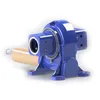
Picture a food processing plant where flour dust settles on a worm gear reducer. The breather becomes clogged, internal pressure rises, and oil pushes past the input shaft seal. By the time the leak is visible, the oil level has already dropped. This is one of the most common industrial gear reducer failure paths, and it starts with a simple housekeeping issue.
Solution: Add a five-minute daily inspection to each shift. Walk around the reducer and check the oil sight glass, breather, seals, and mounting bolts. Look for oil mist, wet spots around shafts, or dust packed around the breather. Wipe the breather and housing with a clean cloth, and never use high-pressure water directly on seals or joints. Pay special attention to areas where process dust, washdown water, or metal particles can enter the gearbox.
Raydafon Technology Group Co.,Limited designs reducers with large oil sight glasses, protected breathers, and robust seal arrangements, so contamination issues are easier to spot before oil loss becomes serious. This reduces the time maintenance teams spend on inspection and gives procurement teams more confidence in long-term equipment reliability.
A common pain point occurs when a plant uses the same gear oil in every reducer without checking viscosity or operating temperature. In a high-temperature kiln drive, the oil thins out and loses film strength. In a cold storage conveyor, thick oil causes churning losses and poor lubrication at startup. Both conditions lead to premature gear tooth wear.
Solution: Match the oil to operating temperature, load, and speed. Check the manufacturer’s nameplate and select the correct ISO viscosity grade. Inspect oil level weekly, and look for color changes, milky appearance, or metallic particles. Use magnetic drain plugs to capture ferrous wear debris. Change oil at intervals based on load and contamination, not just calendar time.
| Operating Condition | Recommended ISO VG Grade | Typical Oil Change Interval | Field Action |
|---|---|---|---|
| Light duty, clean environment, intermittent use | VG 150 – 220 | 6,000 – 8,000 hours | Check level monthly; inspect color every 500 hours |
| Moderate duty, dusty or humid plant | VG 220 – 320 | 3,000 – 5,000 hours | Use sealed breathers; sample oil every 1,000 hours |
| Heavy duty, high temperature or washdown | VG 320 – 460 | 1,500 – 3,000 hours | Monitor moisture monthly; change if milky or dark |
Raydafon Technology Group Co.,Limited offers reducers with accessible drain and fill ports, making oil changes faster and reducing the chance of cross-contamination. This directly supports maintenance teams that manage multiple gearboxes across large facilities.
Imagine a mixer drive in a chemical plant that begins to run slightly hotter than normal. The increase is only a few degrees, so it is ignored. Weeks later, a bearing cage fractures, and the gearbox seizes during a batch run. The cost of downtime far exceeds the cost of a simple temperature log.
Solution: Record baseline temperature, vibration, and noise levels when the reducer is new or after a rebuild. Use an infrared thermometer on the housing near bearings and gears. A sustained temperature rise of 15–20°F above baseline often indicates lubrication failure, overloading, or bearing damage. Use a vibration meter or simple touch-and-listen checks to detect roughness, clicking, or rhythmic knocking. A sudden change in noise pattern is a warning sign, not a nuisance.
For continuous processes, install temperature sensors or vibration transmitters on critical units. Set alerts at threshold values. Raydafon Technology Group Co.,Limited can provide reducer designs with sensor-ready positions, helping plants move from reactive repair to condition-based maintenance.
A misaligned coupling may not be obvious during startup, but it creates radial load on the input shaft. Over time, the shaft seal wears unevenly, oil leaks, and dirt enters the bearing area. Maintenance teams then face repeated seal replacements without solving the root cause.
Solution: Check alignment with a dial indicator or laser alignment tool during installation and after any motor change. Verify that mounting bolts are tight and that the baseplate is level. Check seal lips for cracks, hardening, or signs of leakage. Replace shaft seals at the first sign of oil weep, because a small leak quickly becomes a contamination entry point. Torque fasteners to the manufacturer’s specification, and recheck after the first week of operation.
Raydafon Technology Group Co.,Limited uses high-quality double-lip seals and machined mounting surfaces on its industrial gear reducers. This reduces the impact of minor misalignment and helps maintenance teams keep gearboxes sealed longer in challenging applications such as mixers, conveyors, and slewing drives.
Many plants rely on memory or breakdown signals to service gear reducers. By the time someone notices high noise or oil discoloration, internal damage has already begun. Without a schedule, even well-intentioned teams forget critical oil changes during busy production periods.
Solution: Build a preventive maintenance calendar that covers daily, weekly, monthly, and annual tasks. Use oil analysis to detect wear metals, water, and viscosity changes before visible failure. A predictive approach can extend oil drain intervals safely while catching problems early.
| Interval | Task | Acceptance Criteria / Action |
|---|---|---|
| Daily | Visual inspection, leak check, temperature quick scan | No oil mist, no abnormal heat, breather clear |
| Weekly | Oil level and noise check | Oil at sight glass center; no new noise |
| Monthly | Fastener torque, seal condition, alignment check | Bolts tight; no seal weeping; alignment within tolerance |
| Quarterly | Oil sample analysis | Viscosity in range; water below 0.1%; wear metals stable |
| Annually | Full oil change, breather replacement, internal inspection if possible | Clean oil; no sludge; gear contact pattern acceptable |
Raydafon Technology Group Co.,Limited supports planned maintenance by supplying clear nameplate data, lubricant recommendations, and accessible service points. This helps procurement teams compare gear reducers based on total cost of ownership, not just initial purchase price.
When a gear reducer shows symptoms such as overheating, oil leakage, or unusual noise, the root cause is often hidden. Replacing the gearbox without identifying the cause leads to repeat failures and unnecessary spare parts cost. Maintenance teams need a fast diagnostic path.
| Symptom | Likely Cause | Recommended Action |
|---|---|---|
| High housing temperature | Oil level too high or too low, overloading, bearing wear | Check oil, load, and vibration; inspect bearings |
| Oil leak at input or output shaft | Worn seal, overfilled oil, high pressure from clogged breather | Replace seal, correct oil level, clean breather |
| Rumbling or knocking noise | Gear tooth damage, bearing pitting, or insufficient backlash | Stop unit, inspect oil for metal, check gear contact |
| Metallic particles in oil | Gear wear, bearing cage failure, or contamination | Flush housing, identify particle source, replace damaged parts |
This symptom-based approach reduces guessing and helps maintenance teams decide whether to repair, replace, or escalate to the manufacturer. Raydafon Technology Group Co.,Limited provides technical support for failure analysis, helping customers identify whether the issue is lubricant-related, application-related, or component-related.
Start by protecting the breather and seals. Use sealed breathers or extended breather tubes to keep dust and water out. Check the oil sight glass daily for cloudiness, which often means water ingress. Wipe the housing and seal areas before opening any fill or drain port. In washdown areas, avoid spraying high-pressure water directly at shaft seals. Increase oil sampling frequency to monthly or quarterly, and use a moisture-resistant lubricant if the process exposes the reducer to frequent wet cleaning. Raydafon Technology Group Co.,Limited supplies reducers with protected breathers and sealed joints designed for such environments.
For continuous high-torque operation, treat oil analysis as a core maintenance task. Sample oil every 500–1,000 hours to detect wear metals and viscosity breakdown before bearing or gear damage becomes severe. Monitor housing temperature daily and compare with baseline. Check foundation bolts and coupling alignment monthly, because high torque magnifies any misalignment. Plan a short shutdown every 3–6 months for seal inspection and breather replacement. Keep a spare reducer or critical parts kit on site if the process cannot tolerate long downtime. Raydafon Technology Group Co.,Limited helps customers select heavy-duty reducers with thermal and mechanical margin for 24/7 loads, reducing maintenance frequency without risking availability.
Maintenance is not only about what your team does; it is also about how the gear reducer is built. Standard industrial gear reducers with small sight glasses, awkward drain ports, and poor seals force technicians to spend more time on service and still miss early warning signs. That increases total cost and production risk.
Raydafon Technology Group Co.,Limited addresses this by engineering industrial gear reducers with field-friendly features: large oil sight glasses for quick level checks, magnetic drain plugs to capture wear debris, accessible fill and drain positions, and robust sealing systems. These design choices simplify daily inspection, shorten oil changes, and reduce the chance of contamination. For procurement teams, this means lower maintenance labor, longer service intervals, and more predictable asset life. The company also supports customers with application-specific recommendations, helping you match the right reducer to torque, speed, and environmental conditions.
Raydafon Technology Group Co.,Limited is a global supplier of industrial gear reducers, gearboxes, and drive solutions for conveyors, mixers, cranes, packaging lines, and automation systems. The company focuses on robust engineering, field-ready service features, and responsive after-sales support. If you are sourcing a replacement gear reducer, planning a new drive system, or need maintenance recommendations, contact the team at [email protected] or visit https://www.raydafon-reducers.com for detailed product specifications and selection support.
Höhn, B. R., Michaelis, K., & Otto, H. P. (2009). Influence of lubricant properties on gearbox efficiency and reliability. Gear Technology, 26(4), 42–49.
Fitch, J. (2013). Oil analysis for gearboxes: A practical field guide. Machinery Lubrication, 9(2), 18–25.
Randall, R. B. (2011). Vibration-based condition monitoring: Industrial gearbox applications. Mechanical Systems and Signal Processing, 25(2), 491–507.
Bartz, W. J. (2004). Lubrication of industrial gear drives. Tribology International, 37(9), 715–724.
Zhu, D., & Cheng, H. S. (1991). A comprehensive analysis of gear scuffing and pitting. Journal of Tribology, 113(4), 760–767.
Mobley, R. K. (2002). An introduction to predictive maintenance. Plant Engineering, 56(7), 32–38.
Peng, Z., & Kirk, T. B. (1998). Wear particle analysis for gearbox condition monitoring. Wear, 216(2), 160–171.
Tandon, N., & Choudhury, A. (1999). A review of vibration and acoustic measurement methods for the detection of defects in rolling element bearings and gears. Tribology International, 32(8), 469–480.
ISO 6336-1. (2006). Calculation of load capacity of spur and helical gears. International Organization for Standardization, Geneva.
Zhang, Y., Tang, X., & Qin, Y. (2017). Oil debris monitoring for industrial gearbox health assessment. Mechanical Systems and Signal Processing, 95, 286–299.
-