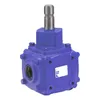
Helical gearboxes use angled teeth for smoother, quieter operation and higher load capacity, while spur gearboxes have straight teeth for simplicity and efficiency in low-speed applications.
Worm gearboxes are typically designed for unidirectional operation, but bidirectional use is possible with specific considerations for efficiency, wear, and gear design.
This article explains the differences between a gearbox and a speed reducer, clarifying their distinct functions and applications in mechanical systems.
Agricultural chains for combines are specialized components designed to handle the rigorous demands of harvesting operations, such as conveying and threshing. Unlike chains used in general machinery, they feature unique materials, designs, and durability characteristics to withstand abrasive conditions, heavy loads, and continuous use in agricultural environments.
Selecting the right conveyor chain is crucial for efficient and reliable material handling. This guide outlines key factors to consider, helping you choose the optimal chain for your specific application.
International standards for forged chain manufacturing ensure quality, safety, and consistency through regulations covering materials, production, testing, and certification.
We use cookies to offer you a better browsing experience, analyze site traffic and personalize content. By using this site, you agree to our use of cookies.
Privacy Policy