English

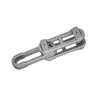
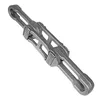
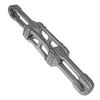
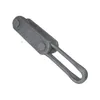
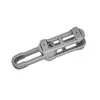
Forged chains are high-strength, durable lifting and securing solutions manufactured through a precise forging process. They are widely used in industries such as construction, marine, automotive, and logistics for heavy-duty applications. Our forged chains undergo rigorous quality control to meet international standards, ensuring safety and reliability in the most demanding environments.
Below are the detailed specifications of our forged chains, designed to help you select the right product for your needs.
| Chain Size (inches) | Diameter (mm) | Working Load Limit (kg) | Break Strength (kg) | Weight per Meter (kg) |
|---|---|---|---|---|
| 1/4" | 6.35 | 1,200 | 4,800 | 0.65 |
| 3/8" | 9.525 | 2,700 | 10,800 | 1.45 |
| 1/2" | 12.7 | 4,800 | 19,200 | 2.60 |
| 5/8" | 15.875 | 7,500 | 30,000 | 4.10 |
| 3/4" | 19.05 | 10,800 | 43,200 | 5.90 |
| 1" | 25.4 | 19,200 | 76,800 | 10.50 |
Forged chains are versatile and used in various sectors:
What is the difference between forged chains and welded chains?
Forged chains are made by heating and shaping metal under high pressure, resulting in a seamless, high-strength link with uniform grain flow. Welded chains have joints that can be weaker and more prone to failure under stress. Forged chains offer superior durability and safety for heavy loads.
How do I choose the right size forged chain for my application?
Consider the working load limit (WLL), which should exceed the maximum force expected. Refer to the size table above and factor in safety margins (typically 4:1 or 5:1 ratio to break strength). Also, assess environmental conditions like corrosion, which may require specific coatings.
Can forged chains be used in corrosive environments?
Yes, with proper surface treatments. Hot-dip galvanized or zinc-plated chains provide excellent resistance to rust and corrosion, making them suitable for marine, chemical, or outdoor use. Regular inspection and maintenance are recommended to prolong lifespan.
What maintenance is required for forged chains?
Inspect chains before each use for signs of wear, deformation, or corrosion. Clean them periodically with a wire brush and apply lubricant to moving parts. Store in a dry, cool place to prevent degradation. Replace chains if they show any damage or exceed the manufacturer's recommended service life.
Are there temperature limitations for forged chains?
Standard forged chains operate effectively between -40°C and 200°C. For higher temperatures, special alloys or heat-treated versions are available. Avoid sudden temperature changes to prevent brittleness or loss of strength.
Do forged chains come with certifications?
Yes, our chains are certified to international standards such as ISO 3075 and ASTM A391. Each batch includes test certificates for traceability, ensuring compliance with safety regulations in your region.