English

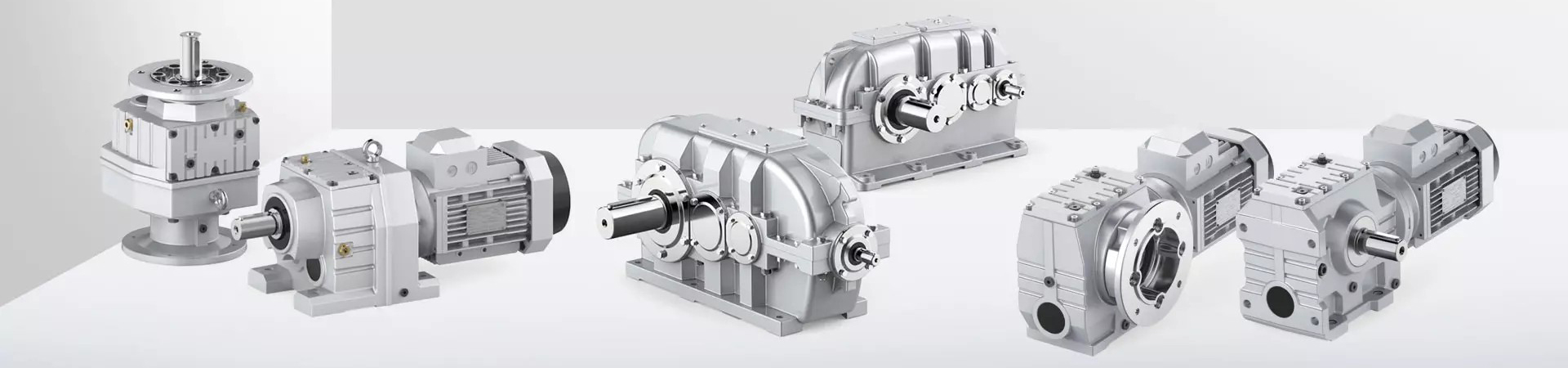
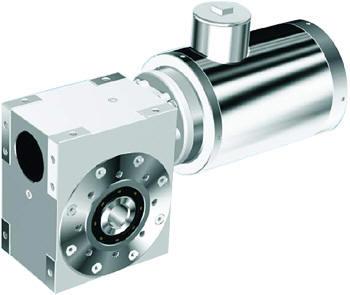
A worm gear speed reducer is a type of gear system that consists of a worm (which resembles a screw) and a worm wheel (which resembles a standard gear). This configuration allows for high reduction ratios in a compact design, making it ideal for applications requiring significant speed reduction and high torque output. The unique design provides self-locking capabilities, preventing back-driving in many cases, which enhances safety in various industrial uses. These reducers are commonly employed in conveyor systems, elevators, packaging machinery, and heavy-duty equipment where reliability and efficiency are paramount.
Our worm gear speed reducers are engineered to meet rigorous industrial standards. Below are the detailed specifications for our standard models.
| Model | Ratio Range | Input Power (kW) | Output Torque (Nm) | Efficiency (%) | Weight (kg) |
|---|---|---|---|---|---|
| WGR-40 | 5:1 to 60:1 | 0.12 - 2.2 | 30 - 300 | 70 - 90 | 4.5 |
| WGR-63 | 5:1 to 100:1 | 0.25 - 4.0 | 100 - 800 | 75 - 92 | 12.0 |
| WGR-80 | 5:1 to 100:1 | 0.55 - 7.5 | 200 - 1500 | 78 - 94 | 25.0 |
| WGR-100 | 5:1 to 100:1 | 1.1 - 15.0 | 500 - 3000 | 80 - 95 | 45.0 |
Worm gear speed reducers are versatile and used across multiple industries due to their efficiency and reliability. Common applications include:
What is a worm gear speed reducer used for?
A worm gear speed reducer is primarily used to reduce rotational speed while increasing torque in mechanical systems. It is common in applications like conveyors, lifts, and industrial machinery where high reduction ratios and compact size are necessary.
How does the self-locking feature work in a worm gear reducer?
The self-locking feature occurs due to the angle of the worm thread, which creates high friction that prevents the worm wheel from driving the worm backwards. This is especially useful for safety in applications like elevators, where it prevents unintended movement.
What materials are typically used in worm gear reducers?
Worms are usually made from hardened steel for durability and wear resistance, while worm wheels are often crafted from bronze or other softer metals to reduce friction and allow smooth engagement. This combination ensures longevity and efficient performance.
How do I select the right worm gear reducer for my application?
Consider factors such as required reduction ratio, input speed, output torque, power rating, mounting configuration, and environmental conditions (e.g., temperature, exposure to contaminants). Consulting our product tables and technical support can help in making an informed decision.
What maintenance is required for a worm gear speed reducer?
Regular maintenance includes checking lubrication levels, typically using high-quality gear oil, and inspecting for wear or damage. Most units are designed for easy access to lubrication points, with recommended service intervals provided in the product manual.
Can worm gear reducers be used in high-temperature environments?
Yes, many models are designed with heat-resistant materials and efficient cooling features. However, it's important to select a reducer rated for the specific temperature range and ensure proper lubrication that can withstand higher temperatures without degrading.
What is the typical efficiency range of a worm gear reducer?
Efficiency varies based on the reduction ratio and design, but it generally ranges from 70% to 95%. Higher ratios may have lower efficiency due to increased friction, but advancements in materials and manufacturing have improved overall performance.
Are custom configurations available for worm gear speed reducers?
Absolutely. We offer custom options including specific ratios, mounting styles, shaft sizes, and materials to meet unique application requirements. Contact our engineering team for tailored solutions.