English

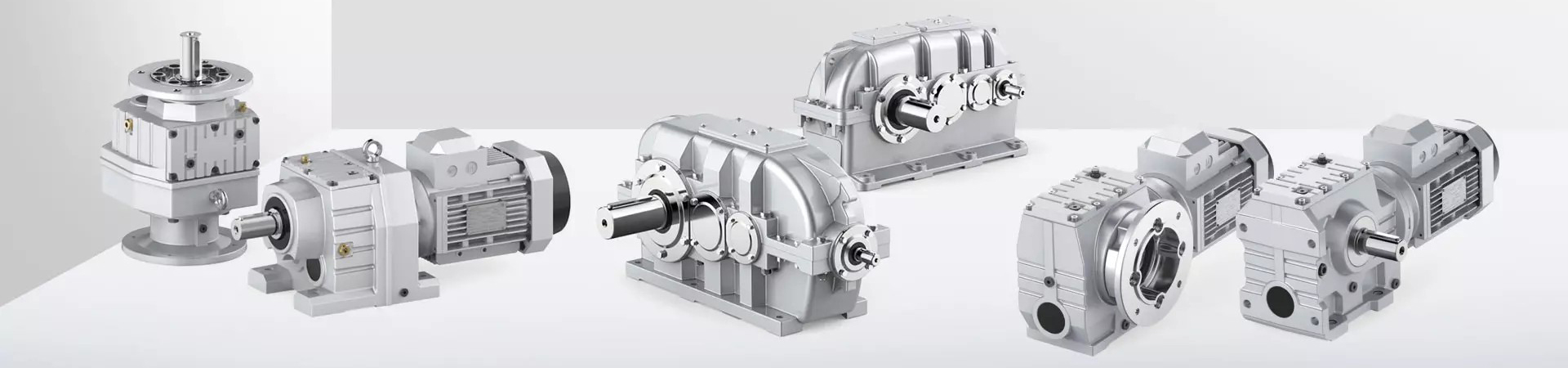
Others gearbox and reducers are essential mechanical components used in various industries to transmit power, control speed, and increase torque in machinery. These devices are designed to optimize performance, enhance efficiency, and ensure durability in demanding applications. Unlike standard gearboxes, Others gearbox and reducers often incorporate specialized features tailored to specific needs, such as high precision, compact design, or resistance to harsh environments. They are commonly utilized in sectors like manufacturing, automotive, aerospace, and renewable energy, where reliable power transmission is critical. With advancements in materials and engineering, these gearboxes offer superior performance, reduced maintenance, and longer service life, making them a preferred choice for professionals seeking robust solutions.
To help you understand the capabilities of Others gearbox and reducers, here are the detailed parameters presented in lists and tables for clarity and professionalism.
| Model Series | Gear Ratio | Max Input Speed (RPM) | Rated Torque (Nm) | Weight (kg) | Application Examples |
|---|---|---|---|---|---|
| OG-100 | 10:1 to 50:1 | 3000 | 1000 | 15 | Conveyor systems, packaging machinery |
| OG-200 | 20:1 to 80:1 | 2500 | 2500 | 30 | Industrial mixers, heavy-duty drills |
| OG-300 | 30:1 to 100:1 | 2000 | 5000 | 50 | Cranes, wind turbines, mining equipment |
| Custom Series | Customizable | Variable | Up to 10000 | Depends on design | Aerospace, military applications |
Here are some frequently asked questions to provide deeper insights into Others gearbox and reducers.
What industries commonly use Others gearbox and reducers?
Others gearbox and reducers are widely used in industries such as manufacturing, automotive, aerospace, renewable energy, mining, and robotics. Their versatility allows them to handle high loads, precise movements, and harsh conditions, making them ideal for applications like conveyor belts, wind turbines, and industrial automation systems.
How do I select the right gear ratio for my application?
Selecting the right gear ratio depends on factors like desired output speed, torque requirements, and input power. For instance, a higher ratio (e.g., 50:1) provides more torque but lower speed, suitable for heavy lifting, while a lower ratio (e.g., 10:1) offers higher speed for light-duty tasks. Consult technical datasheets or an engineer to match the ratio with your machinery's specifications.
What maintenance is required for Others gearbox and reducers?
Maintenance typically involves regular lubrication checks, oil changes every 5,000 to 10,000 hours, and inspections for wear or damage. For greased units, replenish grease annually. Ensure proper alignment and clean operating conditions to extend lifespan. Many models are designed for low maintenance, with sealed systems reducing frequent interventions.
Can Others gearbox and reducers be customized for specific needs?
Yes, customization is a key feature. Options include tailored gear ratios, materials (e.g., stainless steel for corrosive environments), special coatings, mounting styles, and integration with sensors for monitoring performance. Provide detailed requirements to manufacturers for bespoke solutions that enhance efficiency and compatibility.
What are the advantages of using Others gearbox over standard models?
Others gearbox and reducers offer advantages such as higher efficiency, compact design, reduced noise levels, and enhanced durability. They are engineered with advanced materials and precision manufacturing, resulting in better performance under stress, longer service life, and lower energy consumption compared to standard off-the-shelf models.
How does temperature affect the performance of Others gearbox and reducers?
Temperature impacts lubrication viscosity and material expansion. Others gearbox and reducers are rated for -20°C to 120°C, but extreme cold can thicken oil, increasing friction, while high heat may cause overheating. Use appropriate lubricants and consider cooling systems or external fans for operations outside the standard range to maintain optimal performance.
Are there environmental considerations when using these gearboxes?
Yes, environmental factors like humidity, dust, and chemicals can affect performance. Models with high IP ratings (e.g., IP68) are sealed against ingress, making them suitable for wet or dusty conditions. Additionally, eco-friendly lubricants and materials comply with regulations like RoHS, reducing environmental impact and ensuring safety in sensitive applications.