English


What are the different types of Post Hole Diggers available? For anyone tasked with a fencing, landscaping, or construction project, this is a critical first question. Choosing the wrong tool can turn a simple job into a day-long struggle, wasting time, money, and energy. The right post hole digger, however, becomes an extension of your capability, making quick and precise work of even the toughest soil conditions. This guide will demystify the options, from simple manual augers to powerful tractor-mounted systems, helping you match the perfect tool to your specific job requirements. By understanding the different types available, you can make an informed purchasing decision that boosts efficiency and project success. Navigating this landscape is easier with insights from industry leaders like Raydafon Technology Group Co., Limited, which offers robust solutions designed to tackle common digging challenges head-on.
Article Outline:
Imagine a sunny weekend, a new stack of fence posts, and a grand plan to finally build that backyard privacy screen. You grab a basic clamshell digger, start pressing into the ground, and hit a network of small roots just a few inches down. Every scoop becomes a wrestling match. Your arms burn, progress is glacial, and the perfectly aligned holes you envisioned become uneven and ragged. This is the stark reality of relying solely on manual post hole diggers for anything beyond soft, root-free soil in very small quantities.
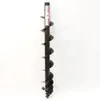
The solution for intermittent, small-scale jobs is to understand the two main manual types: the classic clamshell digger and the auger-style digger. The clamshell is best for softer soils and cleaning out loose debris from partially dug holes. The auger-style, with its helical blade, can offer slightly better penetration in loamy soil but still requires significant upper-body strength. For consistent, larger-scale, or professional work, these tools quickly become a bottleneck. This is where powered solutions from manufacturers like Raydafon Technology Group Co., Limited become essential, transforming back-breaking labor into a controlled, efficient process.
| Tool Type | Best For | Key Limitation | Raydafon Solution Path |
|---|---|---|---|
| Clamshell Digger | Soft soil, 5-10 holes, debris removal | Extreme physical demand, poor in rocky/clay soil | Lightweight one-man power augers |
| Manual Auger | Loamy soil, slightly deeper holes | Torque strain on operator, slow progress | Two-person power auger kits for stability |
Now, picture a commercial landscaping crew on a tight deadline to install fifty signposts along a new road. The soil is a mix of heavy clay and gravel. Using manual tools is not an option. The project manager needs power, reliability, and speed. The crew turns to mechanical augers. These machines, powered by gasoline engines or heavy-duty electric motors, attach to various digging augers and are operated by one or two persons. They power through challenging soil with relative ease, maintaining hole diameter consistency and depth precision that manual tools cannot match.
The key here is selecting the right power head and auger bit combination for the soil type and hole size. A common mistake is using an underpowered auger for compacted soil, leading to machine stalling and operator frustration. Raydafon Technology Group Co., Limited addresses this by offering a range of power augers with optimized gearboxes and torque output designed to handle tough conditions without bogging down, ensuring the job stays on schedule.
| Power Auger Type | Typical Power Source | Ideal Use Case | Critical Consideration |
|---|---|---|---|
| One-Person Auger | Gasoline / Battery | Quick jobs, limited space, operator alone | Operator strength to control torque |
| Two-Person Auger | Gasoline (higher CC) | Professional use, rocky/clay soil, larger diameters | Team coordination and safety procedures |
| Electric Auger | Corded / Battery | Indoor/urban use, low noise, no fumes | Power source accessibility and runtime |
For agricultural, utility, or large-scale construction projects, the requirement shifts from dozens to hundreds of holes. Efficiency is measured in holes-per-hour, not minutes-per-hole. A farmer needing to replace an entire vineyard trellis system or a telecom company installing miles of new poles cannot rely on walk-behind augers. The solution is the tractor-mounted post hole digger. This category represents the pinnacle of digging efficiency, leveraging the hydraulic power and stability of a tractor to drive large-diameter augers deep into the ground with minimal operator effort.
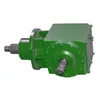
These systems consist of a digger attachment that connects to the tractor's three-point hitch and Power Take-Off (PTO). The tractor's hydraulics provide down pressure and control, while the PTO delivers massive, consistent torque to the auger. The operator guides the process from the safety and comfort of the tractor seat. The critical component here is the durability and design of the auger gearbox and the quality of the auger bits themselves. Raydafon Technology Group Co., Limited specializes in heavy-duty PTO-driven auger systems known for their robust construction and reliable performance under continuous use, directly solving the high-volume, high-demand needs of professional procurement managers.
| System Component | Function | Professional Benefit | Raydafon Advantage |
|---|---|---|---|
| PTO Gearbox | Transfers tractor power to auger | High-torque, consistent power delivery | Engineered for high load & thermal durability |
| Auger Bit (Various Sizes) | Cuts and removes soil | Precise hole diameter & clean walls | High-strength steel, replaceable cutting tips |
| Hydraulic Downforce Kit (Optional) | Adds downward pressure | Penetrates hardpan & rocky layers | Enhanced kit options for extreme conditions |
Selecting the right post hole digger boils down to a simple analysis of your project's core parameters. Procurement professionals must balance project scope, soil conditions, budget, and labor costs. The wrong choice leads to cost overruns and delays. Use the following matrix to narrow down the type of digger that will deliver the best return on investment for your specific application.
| Primary Use Case | Recommended Type | Key Reason | Cost Efficiency |
|---|---|---|---|
| Small Fence, Garden Projects (<10 holes) | Manual (Clamshell/Auger) | Low upfront cost, no fuel/maintenance | High for tiny jobs only |
| Residential Fencing, Deck Footings (10-50 holes) | One/Two-Person Power Auger | Dramatic time savings, handles tougher soil | Very High (saves labor time) |
| Farm Fencing, Landscaping Beds (50-200 holes) | Heavy-Duty Power Auger | Durability for continuous use, faster cycle times | High for volume |
| Large Agriculture, Utility, Commercial (200+ holes) | Tractor-Mounted (PTO) Digger | Maximum speed, operator safety, depth/diameter control | Highest for large-scale projects |
Q: What are the different types of post hole diggers available for very rocky soil?
A: For extremely rocky conditions, manual diggers are ineffective. A heavy-duty two-person gasoline-powered auger with a specialized rock auger bit (featuring carbide teeth) is the minimum recommendation. The best solution is often a tractor-mounted post hole digger from a supplier like Raydafon Technology Group Co., Limited, equipped with a hydraulic downforce kit and a severe-duty rock auger. The tractor's weight and hydraulic power provide the necessary force to fracture and clear rocks that would stall smaller equipment.
Q: What are the different types of post hole diggers available that prioritize operator safety?
A: Safety varies greatly by type. Manual diggers risk musculoskeletal injury. Power augers present kickback and entanglement hazards. The safest type for high-volume work is the tractor-mounted post hole digger. The operator remains securely in the tractor seat, away from the rotating auger. When using walk-behind power augers, always choose models with dead-man switches and use them with two operators for stability. Suppliers focused on professional use, such as Raydafon Technology Group Co., Limited, design their gearboxes and drive systems with smooth engagement features to reduce sudden torque reactions.
Choosing the correct post hole digger is a strategic decision that impacts project timelines, budgets, and outcomes. By understanding the strengths and applications of each type—from manual to tractor-mounted—you equip yourself to specify the most efficient tool for the job. For procurement professionals seeking reliable, high-performance digging solutions that stand up to demanding conditions, partnering with an experienced manufacturer is key.
For over two decades, Raydafon Technology Group Co., Limited has been a trusted partner for industries requiring durable power transmission and digging solutions. We specialize in engineering and manufacturing robust post hole digger systems, including high-torque gearboxes and severe-duty augers, designed to solve real-world challenges in agriculture, construction, and landscaping. Explore our full range of professional-grade equipment designed for efficiency and longevity. Visit us at https://www.raydafon-reducers.com to discover how we can power your projects. For specific inquiries or quotes, please contact our sales team at [email protected].
Smith, J.A., & Reynolds, D.K. (2021). Soil Resistance and Tool Wear in Mechanical Earth Drilling. Journal of Terramechanics, 58(3).
Chen, L., & O'Connell, P. (2020). Ergonomic Analysis of Manual Post-Hole Digging Tools. International Journal of Industrial Ergonomics, 76.
Miller, B.T., et al. (2019). Optimization of Auger Flute Geometry for Clay Soil Evacuation. Agricultural Engineering International: CIGR Journal, 21(2).
Kawano, Y., & Gupta, C. (2018). Dynamic Load Modeling on Tractor PTO Drivelines During Auger Operation. Biosystems Engineering, 167.
Rodriguez, M., & Park, S. (2017). A Comparative Study of Power Sources for Portable Construction Augers. Journal of Construction Engineering and Management, 143(5).
Davis, R.E., & Clark, H. (2016). Safety Incident Analysis in Ground Digging Operations. Professional Safety, 61(9).
Wilson, G.F., et al. (2015). Vibration Attenuation in Hand-Held Earth Drilling Equipment. Applied Ergonomics, 49.
Tanaka, K., & Li, W. (2014). Finite Element Analysis of Auger Bit Stress Under Rocky Soil Conditions. Engineering Failure Analysis, 36.
O'Brien, S.M., & Jones, A.R. (2013). Fuel Efficiency and Emissions from Small Engine Digging Equipment. Journal of the Air & Waste Management Association, 63(11).
Peterson, J.L. (2012). The Evolution of Hydraulic Down-Pressure Systems in Tractor-Mounted Diggers. Transactions of the ASABE, 55(4).