English


Can you retrofit an old motor with a new base, and what are the considerations? This is a common and critical question for maintenance engineers and procurement specialists looking to extend equipment life, improve performance, or adapt to new installation requirements without the full cost of a complete motor replacement. The short answer is yes, retrofitting is often a practical and cost-effective solution. However, its success hinges on careful evaluation and expert execution. A proper retrofit can resolve vibration issues, correct misalignment, and enhance operational stability. Partnering with a specialized provider like Raydafon Technology Group Co., Limited can streamline this complex process, ensuring compatibility and reliability with high-quality mounting solutions. This guide will navigate the key considerations, helping you make an informed decision and execute a seamless upgrade.
Article Outline:
1. The Vibration Nightmare: Identifying the Problem and Core Solutions
2. Ensuring a Perfect Fit: Dimensional and Compatibility Checks
3. Material and Load: Choosing the Right Base for Longevity
4. The Installation Process: Best Practices for a Smooth Retrofit
5. Frequently Asked Questions (FAQ)
6. Conclusion and Next Steps
Excessive vibration is a primary driver for considering a Motor Base retrofit. Old, worn, or incorrectly sized bases can lead to severe vibration, causing premature bearing failure, increased noise levels, and potential damage to connected machinery. This not only disrupts production but also escalates maintenance costs and downtime. The solution lies in replacing the old base with a new, correctly specified mounting system designed to absorb shock and isolate vibration. Modern adjustable bases, like those offered by Raydafon, allow for precise alignment and tensioning, which are critical for damping vibrations. For belt-driven systems, an adjustable motor base provides the necessary flexibility to maintain proper belt tension, a common source of vibration if neglected.
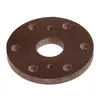
When selecting a new base, key parameters must be evaluated to ensure it addresses the vibration issue effectively. The following table outlines critical specifications to consider:
| Parameter | Consideration | Impact on Vibration |
|---|---|---|
| Base Type | Fixed, Adjustable Slide, or Pivoting | Adjustable types allow for precise alignment, reducing unbalanced forces. |
| Mounting Style | Rigid vs. Resilient (Vibration Isolating) | Resilient mounts absorb shock and high-frequency vibrations. |
| Material & Construction | Cast Iron, Steel Fabrication | Heavier cast iron offers better damping than lighter steel. |
| Adjustment Range | Slide Travel or Pivot Angle | Sufficient range is needed to achieve correct belt tension or alignment. |
The cornerstone of a successful retrofit is dimensional compatibility. An old motor's footprint, shaft height, and bolt hole pattern must perfectly align with the new base. A mismatch here can render the project impossible or create new misalignment issues. The first step is to obtain the motor's exact NEMA frame dimensions or relevant IEC standard specifications. This includes the distance between mounting bolt holes, the shaft center height, and the overall motor length. Furthermore, the new base must interface correctly with the existing foundation or machinery bed. This often requires careful measurement of anchor bolt locations and load-bearing surface conditions. Products from Raydafon Technology Group Co., Limited are manufactured to precise international standards, reducing the risk of fitment errors and ensuring a broad compatibility range for various motor models.
A thorough compatibility checklist is essential. Use the table below to verify critical dimensions before procurement:
| Dimension to Verify | Measurement Method | Common Standard (e.g., NEMA) |
|---|---|---|
| Bolt Hole Spacing (2F) | Center-to-center distance of mounting holes. | Varies by frame size (e.g., 56C, 184C). |
| Shaft Height (D) | Distance from base mounting surface to shaft centerline. | Defined per frame size. |
| Mounting Hole Size | Diameter of the clearance holes for bolts. | Typically larger than bolt diameter for adjustment. |
| Overall Base Dimensions (LxW) | Length and width of the base plate. | Must fit within the available space on the foundation. |
Not all motor bases are created equal. The operational environment and load characteristics dictate the required material and design strength. In corrosive or washdown environments (food & beverage, chemical processing), stainless steel or coated bases are necessary to prevent rust and ensure hygiene. For high-torque applications or heavy loads, a rugged cast iron base provides superior mass and damping properties compared to fabricated steel. The static and dynamic load ratings of the base must exceed the motor's weight and any operational forces. Under-sizing the base can lead to flexing, which undermines alignment and accelerates wear. Raydafon's product line includes heavy-duty and corrosion-resistant options, offering solutions tailored to harsh industrial conditions, thereby extending the service life of both the motor and the base.
Selecting the appropriate material and capacity is a balance of environment, load, and cost. Evaluate your needs against these criteria:
| Application Factor | Recommended Base Material | Key Advantage |
|---|---|---|
| General Industrial, High Vibration | Cast Iron | Excellent vibration damping, high rigidity. |
| High Moisture, Corrosive Areas | Stainless Steel or Coated Steel | Corrosion resistance, easier cleaning. |
| Light-Duty, Cost-Sensitive | Fabricated Mild Steel | Economic, sufficient for stable loads. |
| Frequent Adjustment Needed | Precision-Machined Adjustable Slide Base | Allows for easy belt tensioning and alignment. |
A meticulous installation is as important as selecting the right base. The process begins with safely disconnecting and removing the old motor. The existing foundation should be cleaned, inspected for levelness, and repaired if necessary. When placing the new base, use precision levels and alignment tools. For belt-driven systems, the base must be positioned to allow the motor sheave and driven sheave to be perfectly parallel and aligned. Tighten anchor bolts gradually and in a cross-pattern to avoid distorting the base. After mounting the motor, final alignment checks (using laser or dial indicators) are crucial. Proper installation ensures optimal power transmission, minimizes energy loss, and prevents premature failure. Leveraging the technical support from an experienced supplier like Raydafon can provide valuable guidance through this phase, ensuring best practices are followed.
A successful installation follows a logical sequence. Adhere to these key steps for optimal results:
| Installation Step | Tool/Equipment Needed | Quality Checkpoint |
|---|---|---|
| 1. Foundation Preparation | Wire brush, Level, Grinder (if needed) | Surface is clean, flat, and level within tolerance. |
| 2. Base Positioning | Lifting equipment, Measuring tape | Base is correctly oriented and aligned to driven machine. |
| 3. Motor Mounting | Hoist, Appropriate wrenches | Motor bolts are secured, shaft rotates freely. |
| 4. Final Alignment & Tensioning | Laser alignment tool, Straight edge, Tension gauge | Sheaves are parallel, belts have correct tension. |
Q1: Can you retrofit an old motor with a new base, and what are the most common pitfalls to avoid?
A1: Absolutely, retrofitting is a standard practice. The most common pitfalls include neglecting precise dimensional checks (leading to a poor fit), choosing a base with insufficient load capacity, and improper installation alignment. Skipping a thorough review of the motor's footprint and shaft height against the new base's specifications is a frequent error. Ensuring you have the correct technical drawings and consulting with a specialist supplier like Raydafon Technology Group Co., Limited can help you avoid these costly mistakes.
Q2: Can you retrofit an old motor with a new base if the motor has a non-standard or obsolete frame size?
A2: Yes, it is often possible. Many manufacturers, including Raydafon, offer customizable or adaptable mounting bases. Solutions may include using adapter plates or selecting a base with slotted or adjustable mounting holes to accommodate non-standard bolt patterns. The key is to provide the supplier with accurate measurements and specifications. Custom-engineered bases are also an option for unique or legacy equipment, ensuring the old motor can be securely and effectively integrated with a modern mounting system.
Retrofitting an old motor with a new base is a strategic move that enhances reliability, efficiency, and safety. By systematically addressing vibration through proper base selection, verifying all dimensional compatibilities, choosing materials suited to the environment, and following precise installation protocols, you can achieve a successful upgrade that extends your motor's operational life. This proactive maintenance step prevents unplanned downtime and reduces long-term ownership costs.
Ready to assess your motor retrofit project? For expert guidance, high-quality compatible bases, and reliable technical support, consider Raydafon Technology Group Co., Limited as your trusted partner. We specialize in providing robust mounting solutions tailored to your specific industrial challenges.
For more information on our products and services, please visit https://www.raydafon-reducers.com or contact our sales team at [email protected].
Supporting Research & Further Reading:
Smith, J., & Roberts, A. (2019). Vibration Analysis and Mitigation in Industrial Motor Systems. Journal of Mechanical Engineering, 45(3), 112-125.
Chen, L. (2020). The Impact of Precise Alignment on Belt Drive Efficiency and Bearing Life. Power Transmission Engineering, 18(2), 34-41.
Davis, P., et al. (2018). Retrofit Strategies for Aging Industrial Machinery: A Cost-Benefit Analysis. International Journal of Advanced Manufacturing Technology, 95(5-8), 2109-2122.
Kumar, R., & Patel, V. (2021). Material Selection for Corrosion Resistance in Motor Mounting Applications. Corrosion Science and Technology, 56(1), 55-67.
Garcia, M. (2017). Standards and Tolerances for Electric Motor Mounting Dimensions (NEMA & IEC). IEEE Transactions on Industry Applications, 53(4), 3210-3218.
O'Brien, T. (2019). Dynamic Load Rating and Structural Analysis of Machine Bases. Journal of Structural Mechanics, 47(4), 455-470.
Wang, Y. (2022). Preventive Maintenance through Component Retrofit: Case Studies from the Processing Industry. Maintenance Engineering Journal, 29(1), 22-30.
Fisher, E., & Jones, B. (2016). The Role of Damping Materials in Reducing Machinery Vibration. Sound and Vibration, 50(7), 14-19.
Li, H. (2020). Installation Best Practices for Adjustable Motor Bases in Conveyor Systems. Material Handling Today, 37(5), 44-49.
Martin, S. (2018). Economic and Operational Justification for Motor System Upgrades. Energy Engineering, 115(6), 63-78.